
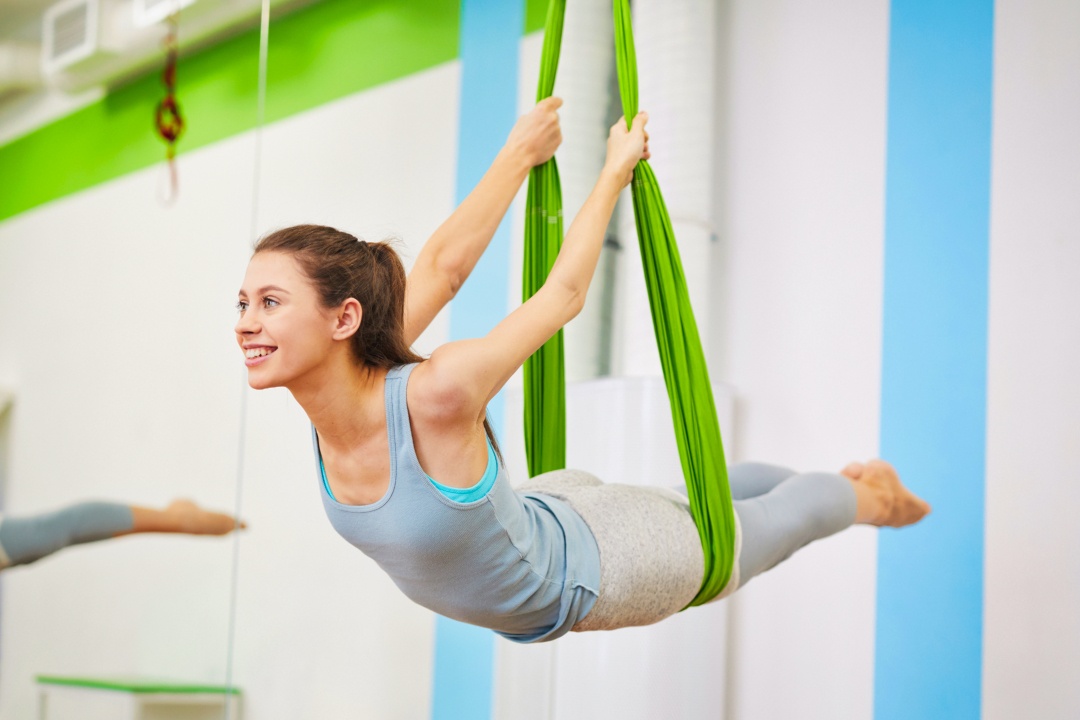
The relationship between aerial yoga and structural engineering is one that most practitioners never think about but that every reputable studio operator thinks about constantly. The physical practice of aerial yoga, involving the full body weight of a practitioner in dynamic movement suspended from ceiling-mounted hardware, creates load demands that are not trivially managed. The engineering standards that govern how these loads are calculated, how the structural systems that carry them are designed and certified, and how the hardware is maintained and inspected over time are not bureaucratic formalities. They are the technical foundation on which practitioner safety is built.
Singapore’s construction and safety regulatory framework, combined with the professional standards of the engineering and rigging communities, provides a relatively strong infrastructure for Aerial yoga safety in well-run studios. Understanding what this framework involves and how to evaluate whether a studio is operating within it is genuinely important for practitioners making decisions about where to practise.
The Load Calculation Basis for Aerial Yoga Rigging
The starting point for any aerial yoga rigging installation is a load calculation that determines the forces the rigging system must safely carry under the conditions of actual use. This calculation involves several components that must all be accurately assessed.
Static load is the simplest component: the weight of the practitioner suspended from the rigging point without movement. This is the minimum load the system must carry and is the basis for initial sizing calculations.
Dynamic load is the more complex and more safety-critical component. When a practitioner moves dynamically in an aerial yoga hammock, including swinging, transitioning between positions, or landing weight into the fabric, the instantaneous forces on the rigging hardware can significantly exceed the static body weight. The dynamic load factor applied in professional rigging calculations typically multiplies the static load by a factor of two to six depending on the nature of the movement, the elasticity of the suspension system, and the speed of loading.
Safety factor is the multiplier applied to the calculated maximum load to determine the minimum breaking strength that the rigging components must possess. Professional aerial arts safety standards typically require rigging components to have breaking strengths of at least five to ten times the calculated maximum working load, providing a substantial safety margin against the uncertainties of real-world use.
Working load limit, the maximum load that a rigging component should carry in service, is derived from the breaking strength divided by the safety factor. All components in an aerial yoga rigging system, including ceiling anchors, carabiners, swivels, adjusters, and the hammock fabric itself, must have working load limits that exceed the calculated maximum load for the application.
Structural Engineering Assessment in Singapore
In Singapore’s regulated construction environment, any modification to a commercial building’s structural system, including the installation of ceiling mounting points for aerial yoga rigging, requires professional engineering assessment and approval. A Qualified Person, typically a Professional Engineer registered with the Professional Engineers Board of Singapore, must assess whether the existing structural system can carry the additional loads, specify any required structural modifications or reinforcements, and certify the installation.
This professional engineering requirement serves an important safety function. The structural systems of commercial buildings are designed for the loads specified in their original design brief, which typically includes standard floor and ceiling loads but does not include the concentrated point loads of aerial yoga rigging. A building whose floor structure can carry the distributed load of a yoga class may not be able to carry the concentrated point loads of twelve aerial yoga rigging points without structural assessment and potentially modification.
Studios that have cut corners on professional engineering assessment, either by installing rigging without certification or by relying on general contractor installation without qualified engineering oversight, are operating in a safety deficit that exposes both their practitioners and their business to serious risk.
Hardware Standards and Certification
The hardware components of an aerial yoga rigging system must meet specific technical standards that ensure their strength, durability, and performance under the loads of actual use. Several internationally recognised standards are relevant to the aerial yoga context.
The European norm CE standards, including EN 362 for connectors and EN 795 for anchor devices, provide load testing and certification requirements that are widely used as quality benchmarks in the aerial arts and aerial yoga industry globally. Hardware certified to these standards has been tested to specified load limits by accredited testing laboratories and carries a certification mark that allows users to verify its rating.
The rated working load limit of each component must be verified before installation and must exceed the calculated maximum working load of the specific application by the required safety margin. Mixing components with different rating standards in the same rigging system creates certification complexity that professional riggers are trained to manage but that untrained installers routinely mishandle.
Regular inspection is as important as initial certification. Rigging hardware degrades through use, corrosion, UV exposure, and mechanical fatigue. Professional inspection protocols, conducted at specified intervals by trained inspectors, identify hardware that has reached the end of its safe service life before failure occurs.
Digital Inspection Management
An increasingly common approach in Singapore’s more professionally managed aerial yoga studios is the implementation of digital inspection management systems that track the service history, inspection dates, and retirement schedules of individual hardware components across the rigging inventory.
These systems replace paper-based inspection logs with digital records that are more reliable, more accessible, and more resistant to loss or falsification. They can generate automated notifications when inspection intervals are approaching, when hardware reaches its specified service life limit, and when replacement is required. For studios managing twelve or more rigging points, each comprising multiple inspectable components, the administrative burden of maintaining reliable inspection records is meaningful, and digital systems reduce both the burden and the risk of oversight.
The integration of rigging inspection data with broader studio management systems, including the booking platforms and member management tools discussed in earlier articles, is at an early stage in Singapore’s aerial yoga market but represents a logical evolution that supports the comprehensive safety management that this format’s load-bearing demands require.
Studios like Yoga Edition that approach their aerial yoga infrastructure with the engineering rigour and ongoing inspection discipline that safety genuinely requires are setting the standard against which all aerial yoga operators in Singapore should be measured. The technical demands of aerial yoga safety are substantial, and the studios that meet them properly are providing a fundamentally different quality of practitioner care than those that manage this dimension of their operations inadequately.
