
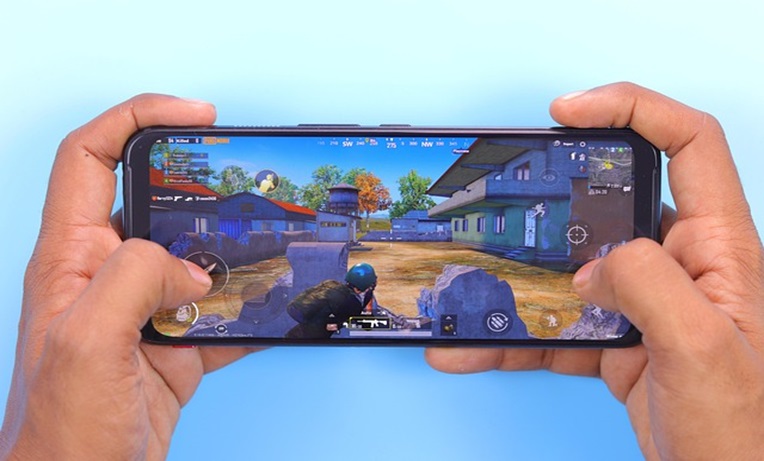
Downloading a new mobile shooter is exciting, but performance issues like stuttering and lag can be disappointing. Mobile compatibility is straightforward: it involves understanding which phone components are most important for smooth, fast-paced action gaming.
Let’s begin with the engine of your phone: the processor and the RAM. Think of the processor as the power that runs the game, doing all the hard work to render the graphics and process your orders. The RAM is like its workbench; it’s the space the processor works in. If the muscle is weak (a slow processor) or the workbench is too small (not enough RAM), everything slows down. This is what causes lag during a big firefight or makes the game stutter when you’re trying to aim. For smooth, responsive action, a good partnership between the processor and RAM is the most important thing.
But a powerful engine isn’t everything. The feel of the game is just as important, and that comes down to the display and battery. You’ve probably heard about screen refresh rates, measured in Hz. A standard screen is 60Hz, but many modern phones have 90Hz or 120Hz displays. A higher number means the screen refreshes more often, making the image look much smoother. This makes your aiming and movement feel more responsive. Then there’s the battery, or gaming stamina. There’s no point having a great phone if it runs out of power after two matches. A bigger battery, measured in mAh, is essential for long gaming sessions in games like BGMI without being stuck next to a charger.
What many people don’t realise is that good specs on paper are only half the story. Software optimization and cooling are equally important. Some phone manufacturers work hard to make sure their software is optimised for gaming, which can make a huge difference. A well-optimised phone can sometimes outperform a phone with slightly better specs. Cooling is also vital. Gaming makes your phone work hard, which generates heat. When a phone gets too hot, it automatically slows itself down to cool off – this is called “thermal throttling,” and it’s a major cause of lag. You might notice that a quick Gun Game match runs perfectly, but a longer battle royale starts to stutter.
So, when you’re looking for a phone that’s great for gaming, what matters most? Here’s a simple checklist:
- A Modern, Mid-Range Processor: This is the heart of your gaming performance. You don’t need the absolute top-of-the-line, but a decent, recent chip is a must.
- A Good Amount of RAM: Aim for at least 6GB. This is the sweet spot to ensure your games operate seamlessly without any frustrating stutters.
- A High Refresh Rate Screen (90Hz or more): This is a huge quality-of-life feature that makes games feel much more fluid and responsive.
- A Big Battery (4500mAh or more): To give you the gaming stamina you need for those “just one more match” moments.
- Good Cooling and Optimisation: Look at reviews that specifically mention gaming performance and whether the phone gets too hot during long gaming sessions, such as BGMI.
Ultimately, choosing a compatible phone is about equilibrium. You need good power, but also good polish through optimisation and cooling. A phone that can handle a frantic Gun Game without breaking a sweat is a phone that will likely serve you well across all your favourite games like BGMI.
