
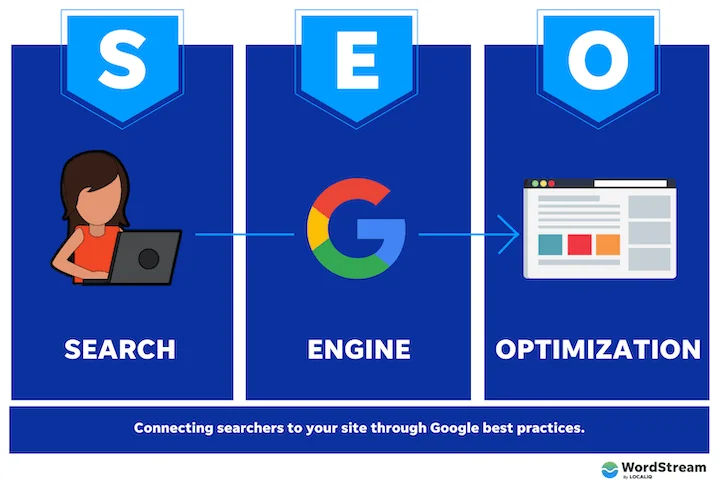
SEO and content marketing are often treated as separate disciplines, but the strongest digital strategies are built where the two intersect. When aligned correctly, SEO amplifies content visibility, and content gives SEO its substance. Together, they create sustainable growth, consistent traffic, and meaningful audience engagement.
Why SEO and Content Marketing Are Interdependent
SEO determines how content is discovered, while content marketing determines why audiences engage. One cannot succeed long-term without the other.
Their alignment matters because:
- SEO brings qualified traffic to content
- Content gives search engines relevance and authority signals
- Combined efforts compound results over time
When separated, content struggles to get visibility and SEO lacks depth.
SEO Shapes Content Strategy From the Start
Effective content marketing begins before writing starts. SEO insights guide what content should be created and how it should be structured.
How SEO informs content planning
- Identifying high-intent search queries
- Understanding user questions and pain points
- Revealing content gaps competitors have missed
SEO ensures content is built around real demand, not assumptions.
Keyword Research Guides Relevance, Not Just Rankings
Modern keyword research goes beyond individual phrases. It focuses on search intent and topic coverage.
Smart keyword usage includes:
- Targeting themes instead of single keywords
- Mapping keywords to stages of the buyer journey
- Using natural language that matches how people search
This approach keeps content useful for readers and discoverable by search engines.
Content Quality Powers SEO Performance
Search engines increasingly reward depth, originality, and usefulness. Thin or repetitive content no longer performs.
Characteristics of SEO-aligned content
- Clear answers to user questions
- Logical structure with headings and subtopics
- Evidence of expertise and real insight
High-quality content earns longer engagement, better rankings, and organic backlinks.
On-Page SEO Enhances Content Clarity
On-page SEO helps search engines interpret content accurately while improving readability for users.
Key on-page elements that support content include:
- Descriptive headings and subheadings
- Optimized meta titles and descriptions
- Internal links that guide users through related topics
These elements act as signals that connect content meaning with search intent.
Content Distribution Strengthens SEO Signals
SEO does not end at publication. Content promotion plays a major role in performance.
How distribution supports SEO
- Increased visibility leads to more engagement signals
- Shared content attracts natural backlinks
- Consistent traffic reinforces relevance over time
Content that is seen, shared, and referenced sends stronger quality signals to search engines.
Evergreen Content Delivers Long-Term SEO Value
Not all content is created for short-term wins. Evergreen content aligns especially well with SEO goals.
Benefits of evergreen, SEO-driven content:
- Continuous organic traffic over months or years
- Reduced dependence on paid channels
- Strong foundation for internal linking strategies
Well-maintained evergreen content becomes a long-term growth asset.
SEO Data Improves Content Over Time
One of the strongest advantages of SEO is feedback. Performance data reveals what resonates and what needs improvement.
Content teams can use SEO data to:
- Refresh underperforming pages
- Expand high-performing topics
- Improve user experience and engagement
This continuous loop ensures content remains relevant and competitive.
Aligning Teams for Maximum Impact
The highest-performing organizations align SEO and content teams under shared goals.
Successful alignment includes:
- Unified content calendars driven by search demand
- Shared performance metrics beyond rankings
- Collaboration between writers, strategists, and analysts
Alignment turns individual efforts into a scalable system.
SEO and Content Marketing as a Growth Engine
SEO and content marketing are most powerful when treated as one strategy, not two tactics. SEO provides direction and discoverability, while content builds trust and authority.
Together, they create visibility with purpose, attracting the right audience and delivering value at every stage of the customer journey.
Frequently Asked Questions (FAQs)
1. Can content rank well without SEO optimization?
Rarely. Without SEO alignment, even strong content may never reach its intended audience.
2. Does SEO limit creativity in content marketing?
No. SEO provides structure and direction, while creativity drives engagement and differentiation.
3. How long does it take to see results from SEO-driven content?
Typically several months, with compounding benefits over time.
4. Is keyword density still important for content SEO?
No. Relevance, intent matching, and natural language matter far more than repetition.
5. Can existing content be optimized for SEO later?
Yes. Updating and optimizing older content often delivers strong performance gains.
6. How does internal linking support SEO and content strategy?
It improves navigation, distributes authority, and helps search engines understand topic relationships.
7. Should every piece of content be created for SEO?
Not necessarily, but core content should align with search intent to maximize long-term impact.
