
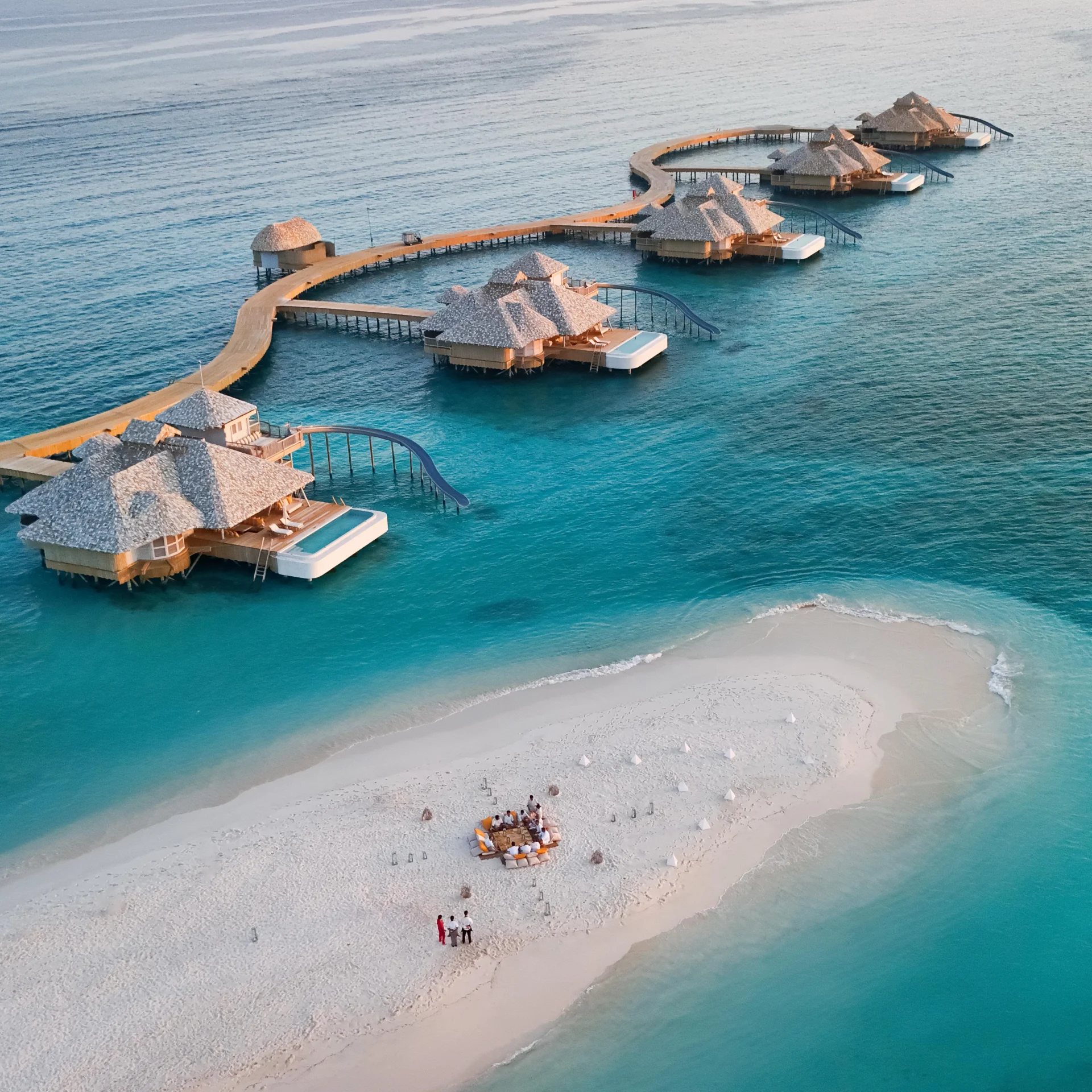
Many places around the world attract millions of visitors each year. However, most famous tourist locations were not always well known. Destinations often become popular tourist spots through a combination of natural appeal, cultural significance, infrastructure development, and effective promotion.
Tourism growth rarely happens overnight. It usually develops gradually as more travelers discover a location, share experiences, and inspire others to visit. Over time, these factors transform ordinary places into internationally recognized tourist attractions.
Understanding how destinations gain popularity helps explain the dynamics of tourism and the factors that shape global travel trends.
Natural Beauty and Unique Landscapes
One of the most common reasons destinations become popular is their natural beauty. Stunning landscapes often attract travelers seeking memorable scenery and outdoor experiences.
Examples of natural features that attract visitors include:
- Pristine beaches and coastal views
- Mountain ranges and hiking trails
- Waterfalls, lakes, and rivers
- Unique geological formations
When travelers share photos and stories of these places, awareness spreads quickly, drawing more visitors to the destination.
Cultural and Historical Significance
Cultural and historical attractions also play a major role in transforming destinations into tourist hotspots. Locations with rich heritage offer visitors the opportunity to learn about history, traditions, and local culture.
Important cultural factors include:
- Historic monuments and landmarks
- Museums and heritage sites
- Traditional festivals and celebrations
- Local crafts, cuisine, and cultural experiences
These elements create a strong identity for a destination and attract travelers interested in cultural exploration.
Infrastructure and Accessibility
Even the most beautiful location cannot become a major tourist spot without good accessibility and infrastructure.
Key infrastructure elements include:
- Transportation systems such as airports, roads, and railways
- Accommodation options including hotels, guesthouses, and resorts
- Tourism services like guided tours and travel agencies
- Restaurants, shopping areas, and entertainment facilities
When governments and businesses invest in tourism infrastructure, it becomes easier and more comfortable for travelers to visit.
Influence of Media and Social Platforms
In recent years, digital media has played a powerful role in tourism growth. Photos, videos, and travel stories shared online can quickly turn unknown places into popular destinations.
Social platforms influence tourism by:
- Showcasing beautiful travel imagery
- Sharing travel guides and recommendations
- Creating viral travel trends
- Encouraging travelers to visit photogenic locations
When travelers share experiences online, destinations gain visibility among global audiences.
Government Promotion and Tourism Marketing
Tourism boards and local governments often actively promote destinations to attract visitors. Strategic marketing campaigns highlight unique attractions and encourage tourism development.
Promotion methods may include:
- International travel campaigns
- Participation in tourism fairs and exhibitions
- Partnerships with airlines and travel agencies
- Digital marketing and promotional videos
Effective promotion helps destinations compete in the global tourism market.
Events and Festivals
Major events can also boost the popularity of destinations. Cultural festivals, sports events, and international gatherings attract visitors from around the world.
Examples include:
- Cultural festivals celebrating regional traditions
- International sporting competitions
- Music and arts festivals
- Global conferences and exhibitions
These events bring attention to destinations and often encourage repeat tourism after the event ends.
Positive Visitor Experiences and Word of Mouth
Traveler experiences play a crucial role in shaping a destination’s reputation. When visitors enjoy their trip, they often share recommendations with friends, family, and online communities.
Positive reviews can lead to:
- Increased traveler interest
- Strong destination reputation
- Growing tourism demand
Word-of-mouth recommendations remain one of the most powerful factors in tourism growth.
Challenges of Rapid Tourism Growth
While popularity can benefit local economies, rapid tourism growth may also create challenges.
Common issues include:
- Overcrowding at popular attractions
- Environmental damage to natural areas
- Rising costs for local communities
- Pressure on infrastructure and resources
Sustainable tourism planning helps ensure that destinations remain attractive while protecting local culture and natural environments.
Conclusion
Destinations become popular tourist spots through a combination of natural beauty, cultural significance, strong infrastructure, and effective promotion. Media exposure, positive visitor experiences, and tourism development also play important roles in attracting travelers.
By balancing tourism growth with sustainability and cultural preservation, destinations can continue welcoming visitors while protecting the qualities that make them unique.
Frequently Asked Questions (FAQ)
1. How long does it take for a destination to become popular?
The process can take years or even decades. Growth usually happens gradually as awareness increases and tourism infrastructure develops.
2. Can small towns become tourist destinations?
Yes. Many small towns attract visitors because of unique culture, scenic landscapes, or historical significance.
3. How do travel influencers affect tourism?
Travel influencers share experiences and images that inspire followers to visit certain destinations, often increasing awareness and tourism interest.
4. Why do some destinations suddenly become viral travel spots?
Destinations sometimes become viral due to social media trends, popular films, or widely shared travel content.
5. What role do local communities play in tourism development?
Local communities contribute by preserving culture, offering authentic experiences, and supporting tourism businesses.
6. Can too many tourists harm a destination?
Yes. Excessive tourism can lead to environmental damage, overcrowding, and strain on local resources if not properly managed.
7. What is sustainable tourism in popular destinations?
Sustainable tourism focuses on protecting natural environments, respecting local cultures, and supporting local economies while welcoming visitors.
