
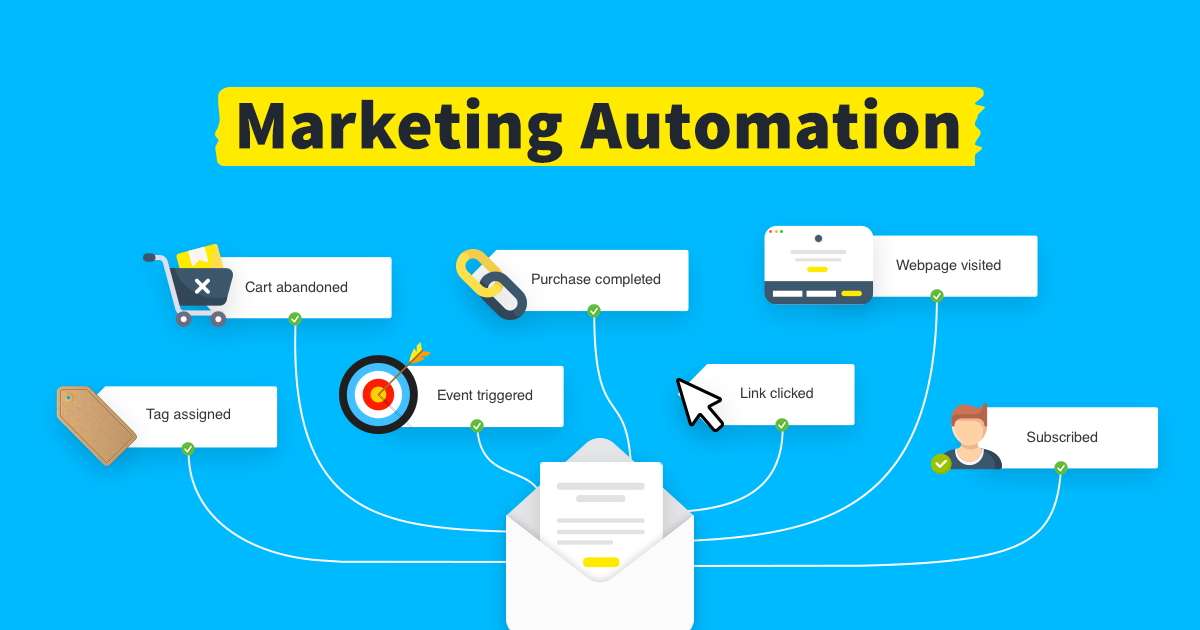
The way businesses attract, engage, and retain customers has permanently changed. Digital channels are no longer just an extension of traditional marketing—they are the primary battlefield for attention, trust, and revenue. In today’s economy, digital marketing is not a competitive advantage; it is a baseline requirement for survival and growth.
Consumer Behavior Has Fully Shifted Online
Modern customers begin, evaluate, and often complete their buying journey online. From discovery to decision-making, digital touchpoints influence nearly every purchase.
Key behavioral shifts include:
- Online research before contacting a business
- Mobile-first browsing and purchasing
- Heavy reliance on reviews, social proof, and content
Businesses that are not visible where customers spend their time are effectively invisible.
Digital Marketing Delivers Measurable Impact
Unlike traditional marketing, digital strategies provide clarity. Every interaction can be tracked, analyzed, and optimized.
What measurable marketing enables
- Clear attribution of leads and conversions
- Real-time performance insights
- Faster decision-making based on data, not assumptions
This level of visibility allows businesses to improve efficiency and allocate budgets with confidence.
Cost Efficiency Levels the Playing Field
Digital marketing removes many barriers that once favored large organizations. Smaller businesses can now compete without massive budgets.
Cost-effective digital advantages include:
- Targeted advertising instead of broad exposure
- Scalable campaigns adjusted to budget and demand
- Organic channels like content and search for long-term returns
Smart strategy matters more than spending power.
Customers Expect Digital Engagement
A strong digital presence is no longer impressive—it is expected. Customers judge credibility based on how a business shows up online.
Digital presence builds trust through
- Consistent branding across platforms
- Helpful, informative content
- Responsive communication through digital channels
When businesses fail to meet these expectations, trust erodes before a conversation even begins.

Data-Driven Personalization Drives Growth
Digital marketing allows businesses to move beyond generic messaging. Personalization is now a core driver of engagement and conversion.
Effective personalization includes:
- Content tailored to user behavior and interests
- Relevant offers delivered at the right moment
- Messaging aligned with different stages of the buyer journey
Customers respond to relevance, not volume.
Digital Channels Support the Entire Sales Funnel
Digital marketing is not limited to awareness. It supports every stage of the customer lifecycle.
Full-funnel digital impact
- Discovery through search and social platforms
- Consideration via content, email, and remarketing
- Conversion through optimized landing experiences
- Retention through ongoing engagement and value-driven communication
This continuity creates stronger, longer-lasting customer relationships.
Agility Is Impossible Without Digital Marketing
Markets change quickly. Digital marketing allows businesses to adapt just as fast.
Companies can:
- Test new ideas without long lead times
- Adjust messaging based on real-time feedback
- Respond immediately to market shifts or customer needs
Without digital channels, adaptability becomes slow and expensive.
Long-Term Growth Depends on Digital Foundations
Digital marketing compounds over time. Content libraries grow, audiences expand, and data becomes more valuable with continued use.
Businesses that invest early benefit from:
- Stronger brand authority
- Lower customer acquisition costs over time
- Sustainable visibility in competitive markets
Ignoring digital marketing delays growth and increases future costs.
Frequently Asked Questions (FAQs)
1. Can a business succeed today without digital marketing?
Only in very limited circumstances. Most industries require digital visibility to remain competitive.
2. Is digital marketing only important for online businesses?
No. Even offline and local businesses rely heavily on digital discovery and reputation.
3. How long does it take to see results from digital marketing?
Some channels show results quickly, while others build momentum over months through consistent effort.
4. What is the biggest mistake businesses make with digital marketing?
Treating it as a one-time activity instead of an ongoing strategy.
5. Do businesses need to be active on every digital platform?
No. Success comes from focusing on platforms where the target audience is most active.
6. How does digital marketing support customer retention?
Through ongoing engagement, personalized communication, and value-driven content.
7. Is digital marketing becoming more complex over time?
Yes, but the core principle remains simple: deliver relevant value to the right audience at the right time.
